

Advertisement
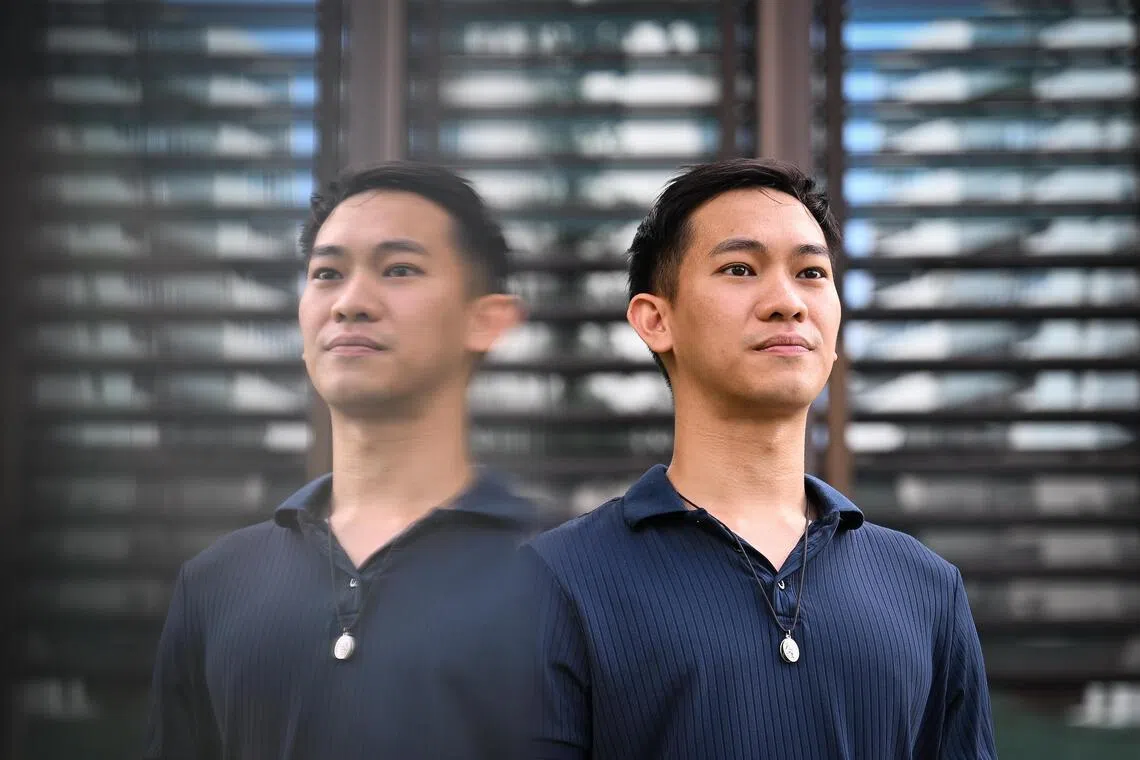
In January 2024, Joshua Lee, a student at the National University of Singapore, started experiencing abdominal pains that he initially attributed to rock climbing. "I thought I had just pulled something," said the 25-year-old psychology student.
However, the pains worsened in June after a fall while climbing, leading him to seek medical attention. An MRI scan at Mount Alvernia Hospital revealed a mass in his abdomen, and in July 2024, he was diagnosed with stage 3 testicular cancer that had spread to his lymph nodes.
Mr. Lee, without a family history of cancer, was mentally prepared for the diagnosis but worried about his loved ones' reactions, especially his girlfriend whom he had just started dating.
He underwent treatment, including surgery and chemotherapy, eventually achieving remission by October 2025 and completing his degree by December of that year.
Increasing Trend of Cancer Among Young Adults
Joshua Lee is among a growing number of younger adults receiving cancer diagnoses in Singapore. Data from the Singapore Cancer Registry shows a 34% increase in cancer diagnoses among individuals under 40 between 2019 and 2023 compared to 2003-2007.
Experts attribute this rise to various factors, including lifestyle changes, environmental exposures, and a potential "birth cohort effect" indicating higher cancer risks in successive generations.
Reasons Behind the Surge
The spike in cancer diagnoses among young adults is not solely due to improved detection methods. Lifestyle factors like obesity, poor diet, and lack of physical activity play a significant role in cancer development.
Experts recommend maintaining a healthy lifestyle, including regular exercise, balanced diets rich in vegetables and fruits, and avoiding processed foods, smoking, and excess alcohol consumption. Cancer screenings are also crucial for early detection and treatment.
Despite the challenges he faced, Mr. Lee's faith, along with support from loved ones and cancer survivor groups, helped him navigate this challenging period in his life.
For young adults grappling with cancer, finding sources of strength and support is crucial to coping with the emotional and physical toll of the disease.
 Watch AD


Advertisement


